Workshop · Tirana, Albania
How a commission works, step by step
Custom furniture sounds complicated until the process is laid out. At Formo Atelier in Tirana it has five steps, each with a clear output in your hands, so at no point are you paying for something you have not seen defined.
Free, itemized quote within one business day.
- Years at the bench, from the workshops of Athens to our own in Tirana.
- 30+
- Commissions built to measure and installed by our own team.
- 300+
- European-standard materials and hardware, on every piece, no exceptions.
- 100%
The process
Five steps, no surprises
From first contact to handover, this is the path every order follows, whether it is one wardrobe or a whole apartment. The bigger the project, the more the early steps earn their keep.
Consultation
You tell us about the space, your idea for it, and the budget frame. By message, call, or in person, that is enough to start a real conversation.
Site measurement
We measure the space ourselves: walls that are not square, floors that are not level, sockets and pipes that matter. Production is based on these numbers, not estimates.
Drawings and quote
Your idea, or your architect’s design, comes back to you as technical drawings and an itemized quote: each piece, material, and mechanism priced separately, so you can adjust the scope instead of guessing at a lump sum.
Production in our workshop
Cutting, edging, assembly, and finishing in our Tirana workshop, by the same team that measured your space. You can visit during production; the workshop is not a secret.
Installation and handover
Delivery and installation by our own team, alignment and adjustment of every front, and a walkthrough with you at the end. The project is finished when you say it is.
Materials and finishes
The materials you choose from
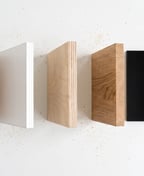
At the drawings stage you pick from these six families, with physical samples in hand. Carcass and fronts can be mixed, and nothing is ordered until you have signed the drawings. If you want to prepare, start with MDF vs melamine.
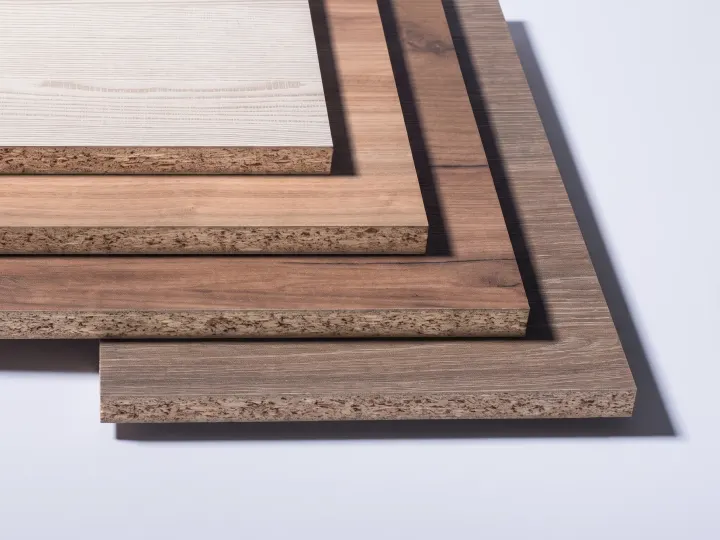
Melamine
Chipboard or MDF faced with a hard, printed melamine layer. Scratch- and moisture-resistant, easy to clean, and available in hundreds of wood and plain decors. Our standard for carcasses and the most practical choice for fronts.
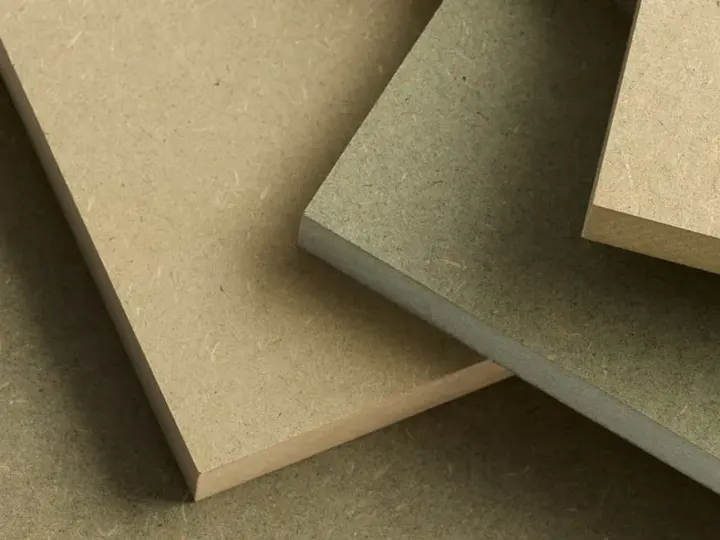
MDF (lacquered or moisture-resistant)
A dense, uniform fibreboard that machines cleanly. Moisture-resistant grades go into carcasses near water; lacquered MDF gives smooth matt or satin fronts in any colour, with no visible joints or grain.
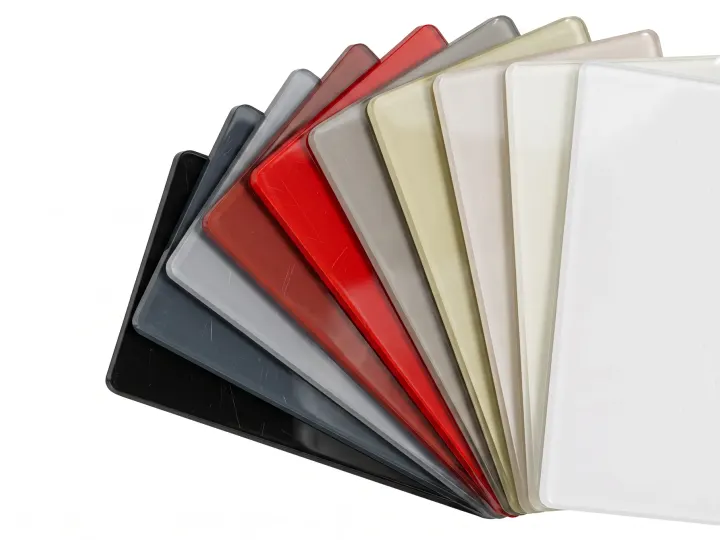
High-gloss acrylic
MDF faced with a thick acrylic layer for a deep, mirror-like gloss that stays colour-fast. Scratch-resistant in daily use, easy to wipe down, and the usual choice for modern handleless kitchens.
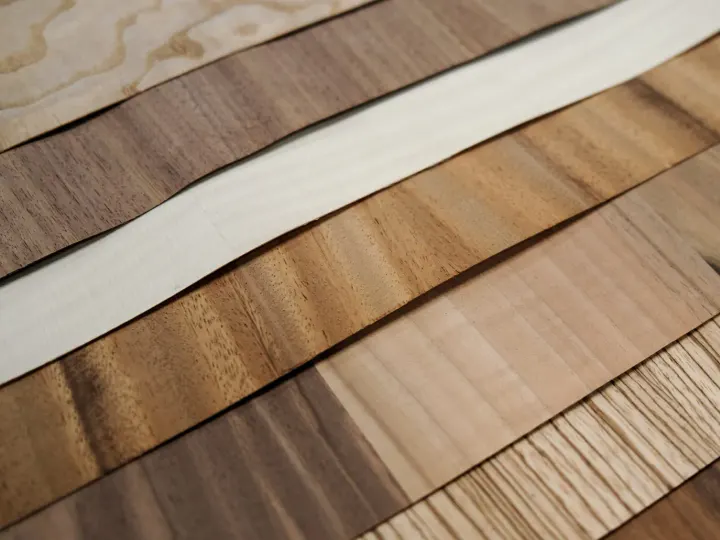
Wood veneer
A thin layer of real oak, walnut or ash bonded to a stable board core. The look and touch of solid wood with far less movement, so large doors and panels stay flat for years.
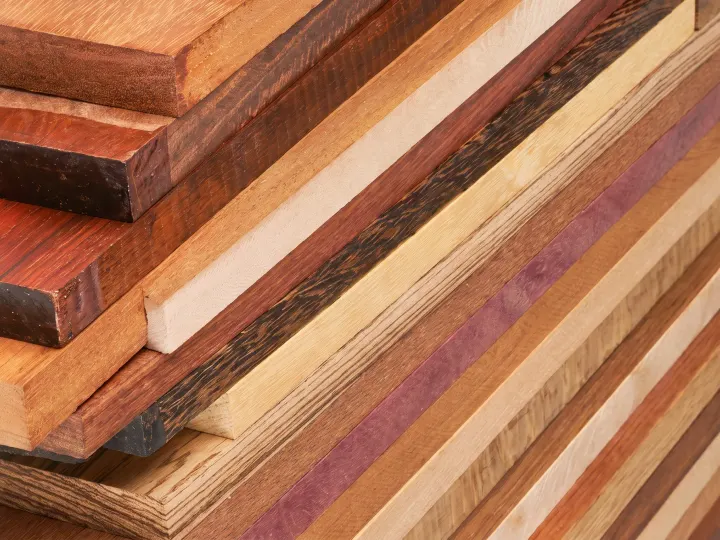
Solid wood
Oak, beech, walnut and ash, selected and dried for interior use. For worktops, table tops, frames and handles, where the surface has to take knocks and be sanded back to new.
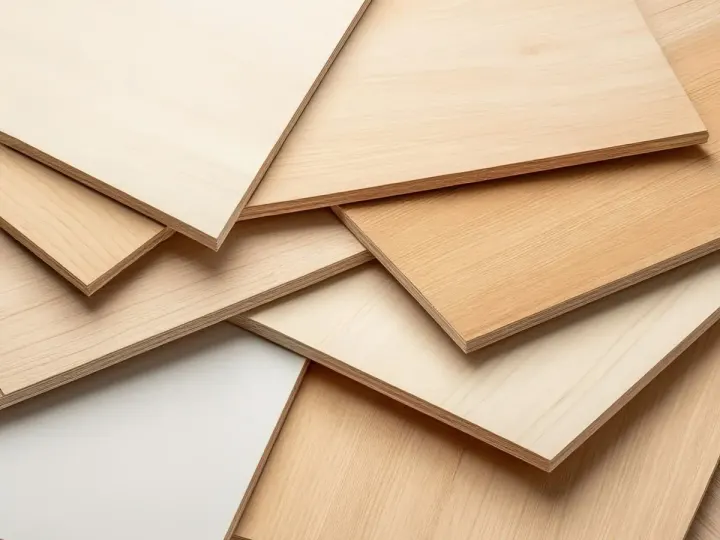
Plywood
Cross-laminated wood layers, usually birch: light, very strong and stable. For shelves that must not sag, drawer boxes, exposed-edge shelving and joinery that shows its construction.
What we promise along the way
Prices are agreed before production starts and do not drift mid-order; if you change the scope, the quote is updated in writing before we continue. Timelines are given with the quote and treated as commitments, and if anything threatens them you hear it from us first.
Behind the process are the two people of the workshop: a master craftsman with thirty years at the bench and an engineer who draws every order for production, both on every order, at every step. That pairing is described on our about page, and it is the reason the approved drawings and the delivered piece match.
A master craftsman with 30 years at the bench
Sherif Hamiti built cabinetry and fine joinery in Athens for three decades before co-founding Formo. Every joint, edge and finish that leaves the workshop passes through his hands.
Technical drawings before the first cut
Ardineli Caci turns your idea into 3D models and production drawings that you approve first, so what gets built is exactly what you signed off, to the millimetre.
European boards and hardware, as standard
Moisture-resistant MDF and quality melamine boards for carcasses, solid wood and veneer where the design calls for it, soft-close hinges and runners on every door and drawer, edges sealed on every panel.
Installed by the team that built it
The same people who measured and built your piece install it: aligned fronts, adjusted hinges, sealed joints against the wall, and a handover inspection with you.
Cost
What affects the cost of custom furniture?
Every project is quoted from real site measurements, so there is no price list. These are the things that move a quote up or down:
Size and layout:
the number of units, tall columns, corners, islands and how much wall you are covering.
Materials:
melamine, lacquered or acrylic fronts, veneer and solid wood sit at very different points, and carcass and fronts can be mixed.
Hardware:
soft-close is standard; pull-out pantries, corner mechanisms, lift-up doors and internal organisers add to it.
Integration:
built-in appliances, lighting, sockets and ventilation planned into the cabinetry.
Site conditions:
walls out of square, pipes to work around, access and floor levels all affect the work on the day.
Questions
Common questions about the process
What does the first consultation cost?
Nothing. The conversation, and the quote that follows it, are free. You commit money only when you approve the drawings and the itemized quote.
What should I prepare before contacting you?
Rough measurements of the space, a few photos, and if you have them, pictures of furniture you like. A floor plan helps but is not required; we measure properly on site anyway.
Can I make changes after the quote?
Yes, before production starts. Changes update the quote in writing so both sides always look at the same numbers. Once cutting begins, changes become rebuilds, which is why we make the approval step explicit.
Do you work outside Tirana?
Yes, we take projects across Albania. Distance affects the logistics planning, not the quality of what arrives. Clients who live abroad approve the drawings and the quote by email; we only need someone to let us in to measure and install.
What happens if something is wrong at handover?
We fix it. The final walkthrough exists precisely so problems surface while our installers are still in the room, and we stand behind our work after handover as well.
Start with the whole home, or one room
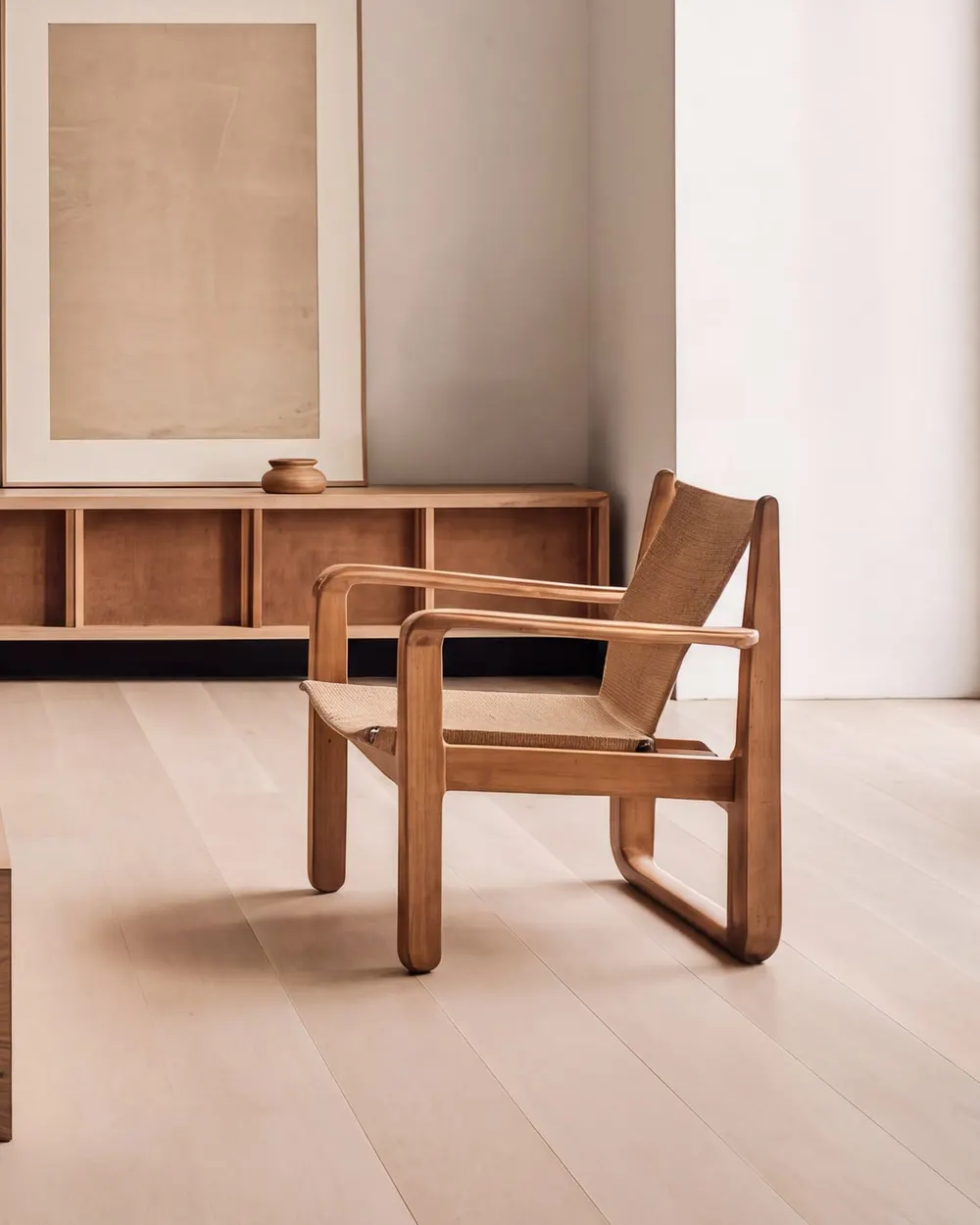
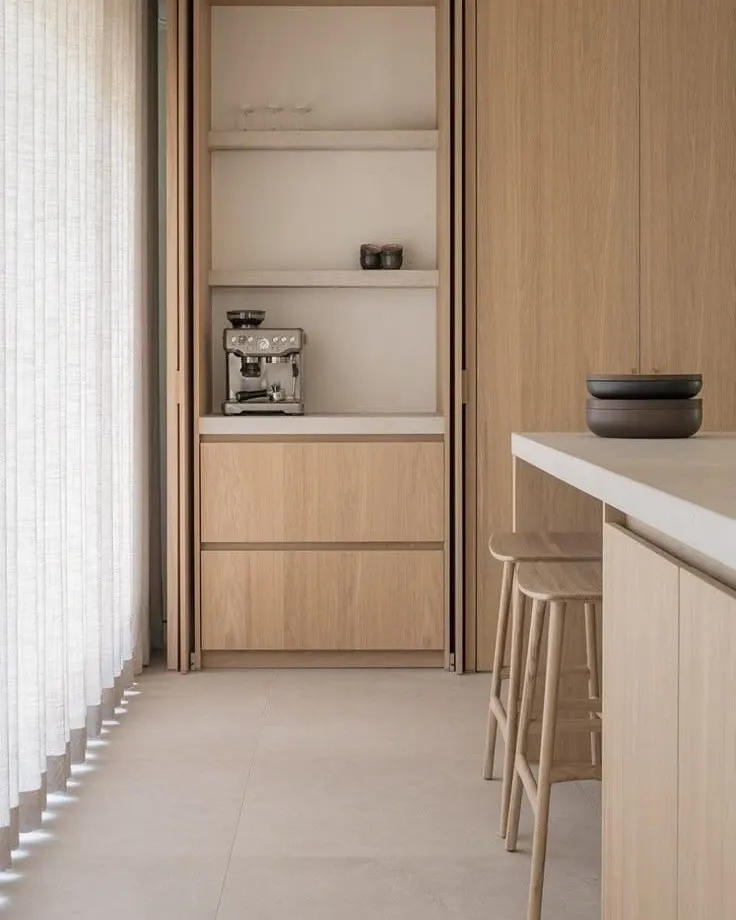
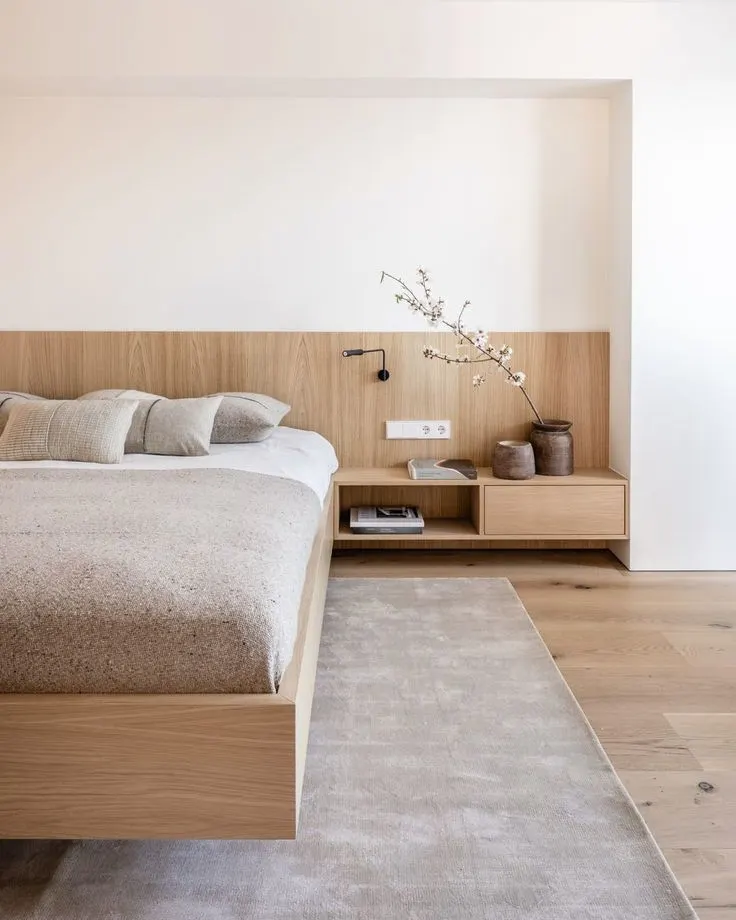
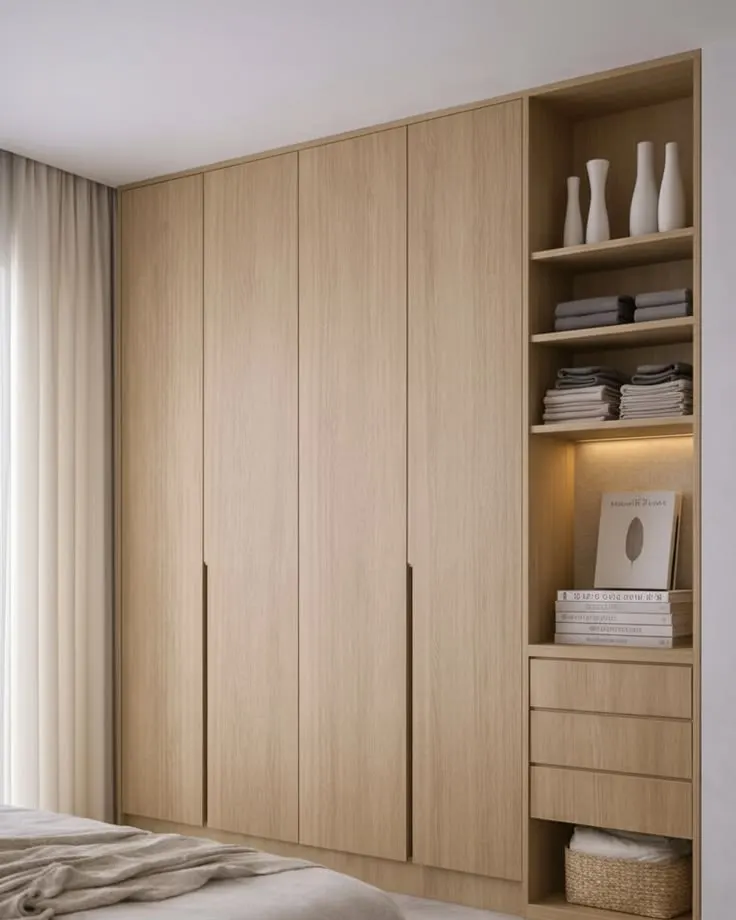
Start a commission
Ready for step one?
Write to us. The consultation and the quote are free.
Workshop in Tirana. We build and install across Albania: Durrës, Vlorë, Shkodër, Elbasan, Fier and beyond.
